|
|
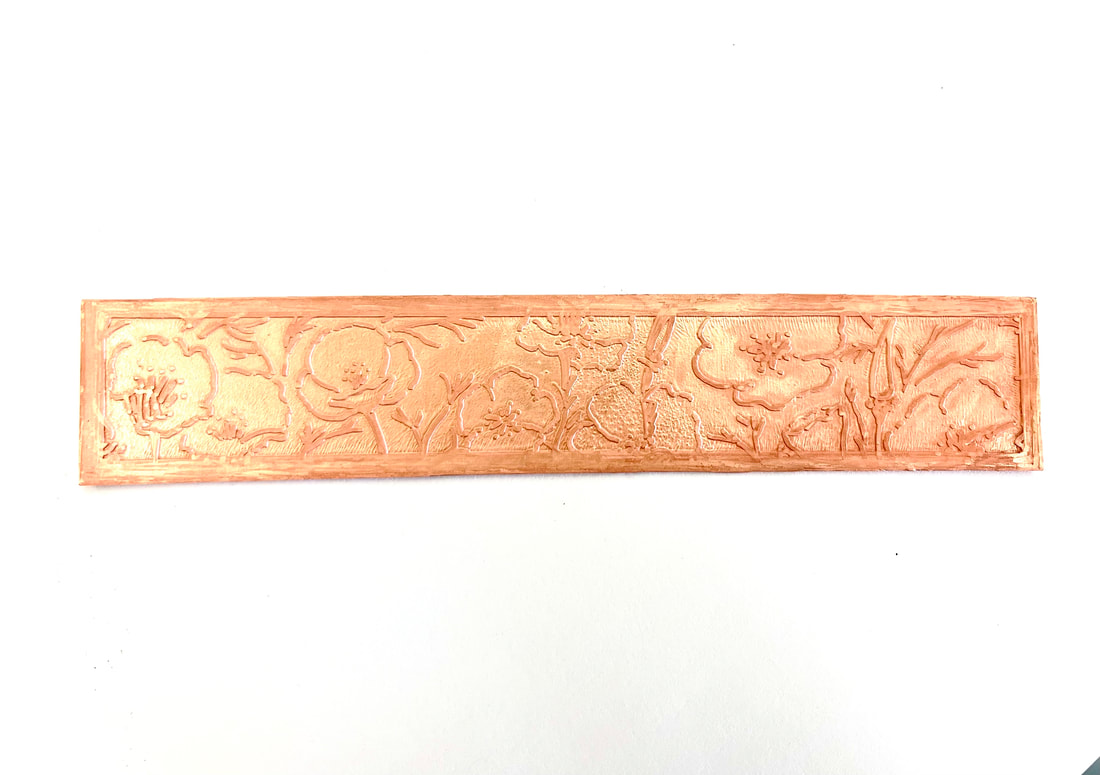
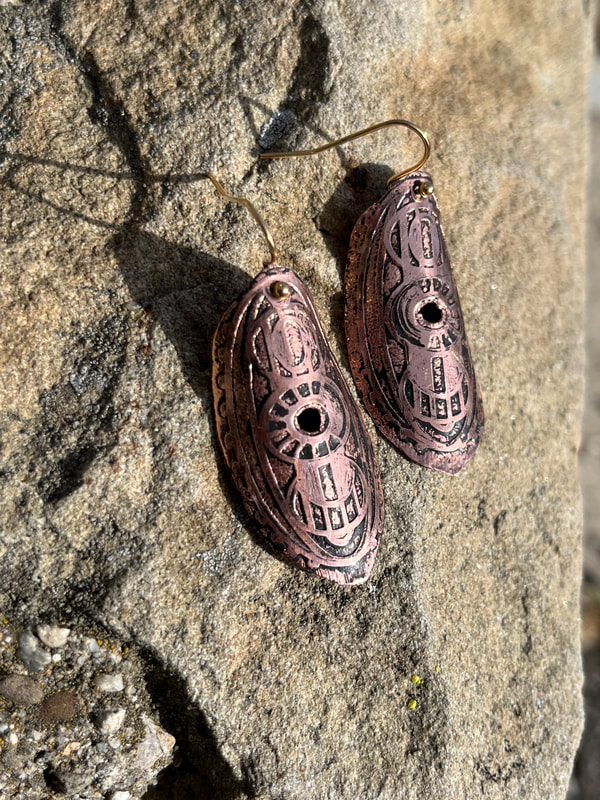
ETCHINGStudents will create a project with an etched design. Students will etch a design into metal and then shape and form it into a functional piece of jewelry.
This unit has three parts: RESEARCH & DESIGN - students will find inspiration from other sources and then design their project; PROJECT - students will refine their design decisions and make the final etching project; DOCUMENTING - students will photograph, reflect, and share their finished work. |
ETCHING OVERVIEW
|
|
|
TECHNICAL SKILLS VIDEOS |
PROJECT OVERVIEW
ADVANCED IDEAS
|
Composition Concepts
|
Tools & Supplies
|
Technical Skills
|
RESEARCH & DESIGN
|
CHOOSE A SUBJECT OF YOUR ETCHING & FIND 4+ PHOTOS
RESEARCH ART STYLES & CHOOSE A FEW YOU LIKE
LOOK FOR IDEAS WITH YOU OBJECT AND YOUR ART STYLES
Identify three features of the art style you like best
|
RESEARCH
USE YOUR REFERENCE PHOTOS TO GUIDE YOUR DESIGN
|
Etching Types & Techniques
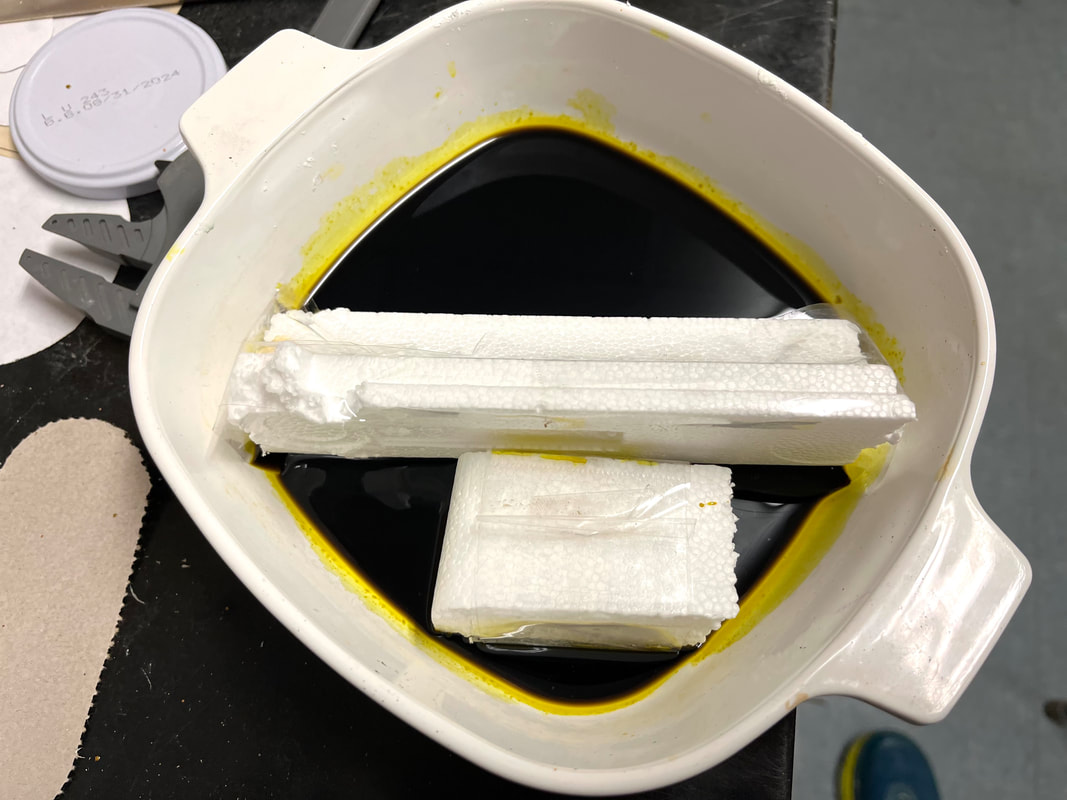
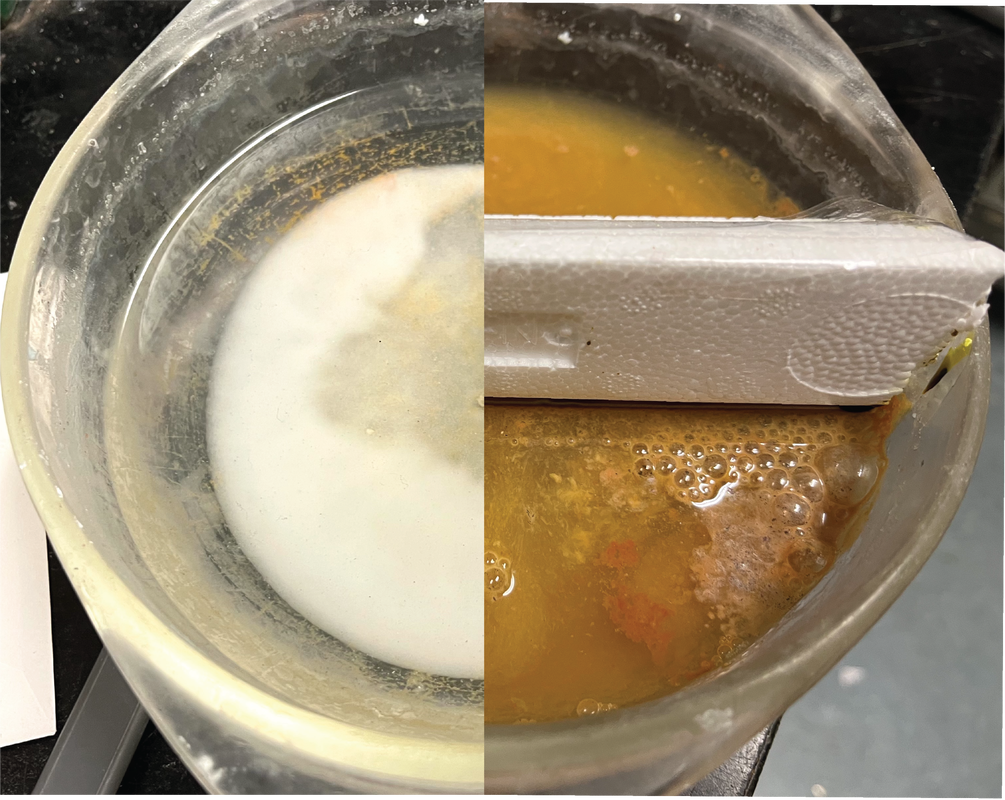
Acid Etch on Copper or Brass using Hard Ground ResistYou can use Copper or Brass to etch in acid. The etching mordant contains muriatic acid. The ferric chloride is another acid that etches copper.
The copper will etch deeper for the same amount of time as the brass, since brass has some zinc and zinc is not affected by these acids. Hard ground resists allow you to make fine lines, like a thin line drawing. |
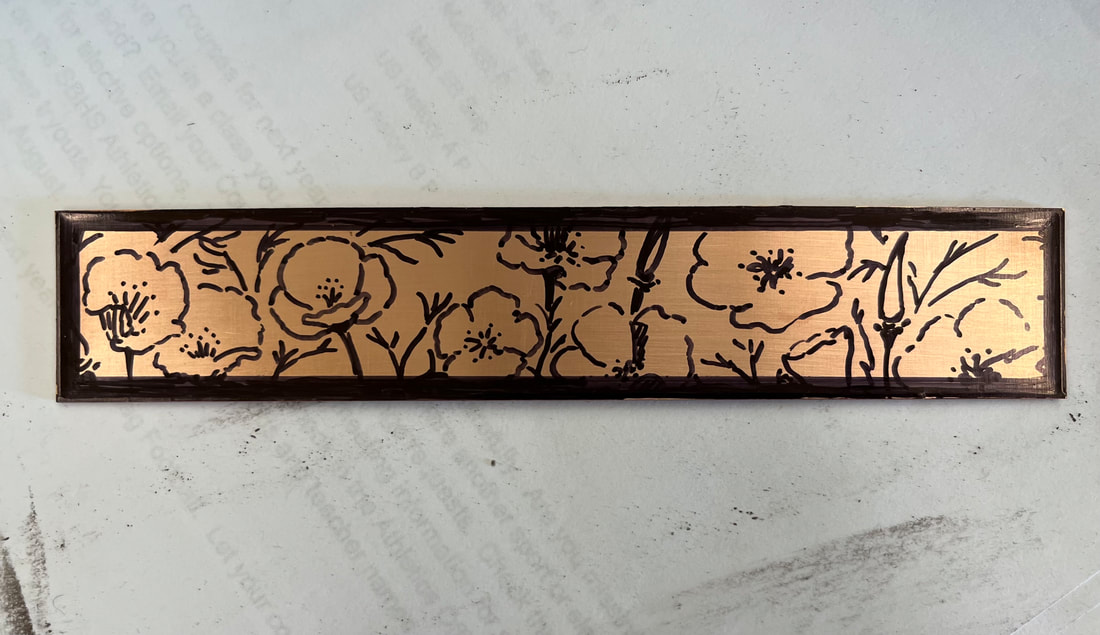
Acid Etch on Copper or Brass using Sharpie ResistYou can acid etch on copper or brass using a sharpie resist.
Sharpie resists require you draw with a sharpie in the areas you don't want etched. It is a good idea to have less than 50% of your surface area etched, and minimize the size of the areas where etching will occur. |
More Difficult
Toner Transfer ResistYou can print out your design (mirror image) using a toner printer. You can print onto peel-n-press paper designed for this purpose. You can also use regular paper and use acetone to lift the toner in combination with the iron.
Transfer the toner onto the metal using heat (iron) and/or acetone. There are many ways this can go wrong. Your metal must be perfectly smooth and totally clean (no oil residue from finger prints etc.) The metal has to be the perfect temperature for the toner to adhere to the metal. |
Nickel: Possible, But Not Recommended
Salt Water Electro Etch on NickelEtching into nickel doesn't work with the same acids you can use on copper or brass.
You can hook up your metal to electricity and bathe it in salt water to etch the metal. The resist has to be well-adhered. A vinyl stencil can be used in place of hard ground. Sharpie doesn't work to resist the electric salt bath. There are more ways this can go wrong, but if your resist holds up, your etch will work. |
Using the toner transfer method, this Electro Etch bath lasted for 3.5 hours before the metal was sufficiently etched.
|
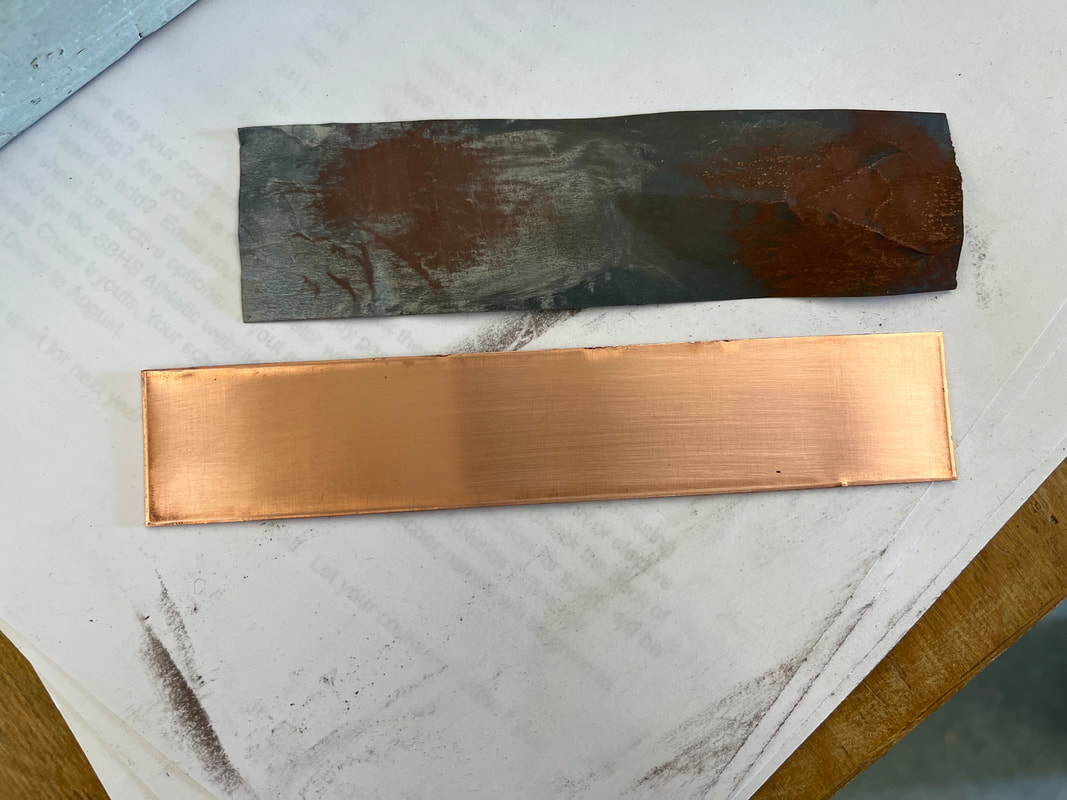
Preparing Your Metal for Etching
Set Up for Etching
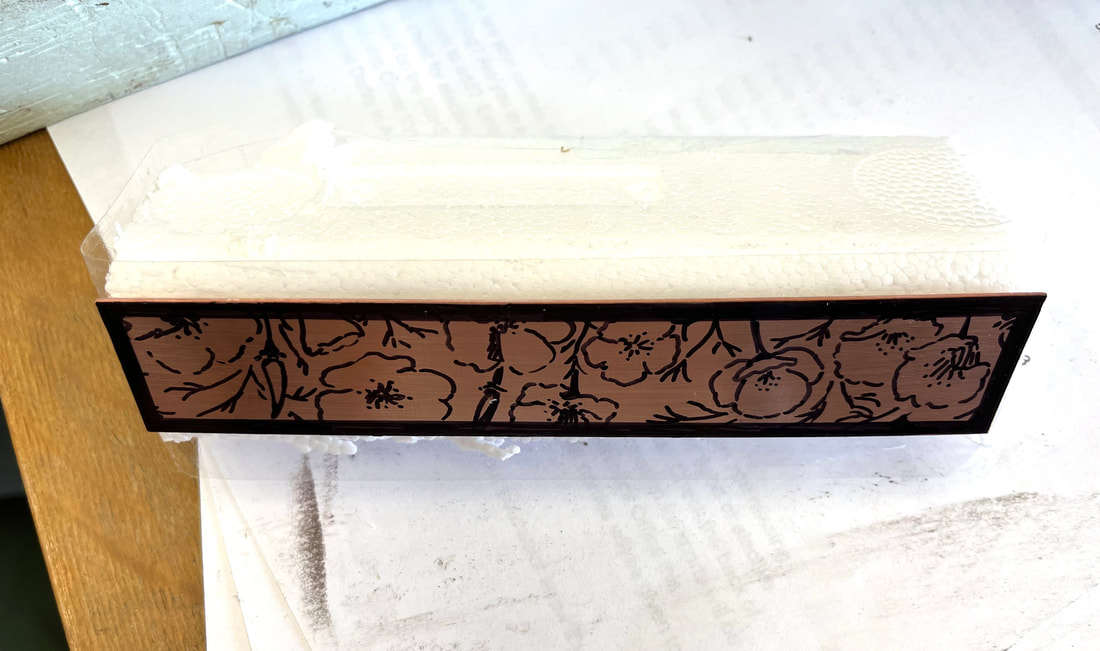
Foam Float
|
Buffing & Polishing
Buff & Polish
|
Documenting & Reflecting
PhotosTake two photos of your finished etching project.
ReflectionBe sure to fill out your written reflection prior to presenting your work to the class.
|